Los Angeles homes are full of contradictions: generous sunlight, mild winters, and a surprising number of temperature swings between day and night. The attic sits at the center of that dynamic, quietly deciding whether your house will stay comfortable or force your HVAC system into overdrive. I’ve worked with homeowners and contractors across LA, crawling into cramped attics, measuring insulation depth, and pulling out rodent nests that smell like a chemistry experiment gone wrong. What follows is practical guidance you can act on now, whether you own a Craftsman in Highland Park or a modern bungalow near Culver City.
Why the attic matters The attic is not just an empty storage space. It is the thermal buffer between your living areas and the roof, a staging ground for pests, and frequently the place where moisture and insulation problems start and then multiply. In Los Angeles, poor attic conditions show up as hotter rooms in summer, colder rooms in winter, humidity that encourages mold in certain pockets, and energy bills that feel artificially inflated. Cleaning and upgrading insulation are investments that return comfort, lower energy use, and fewer headaches from pests and moisture.
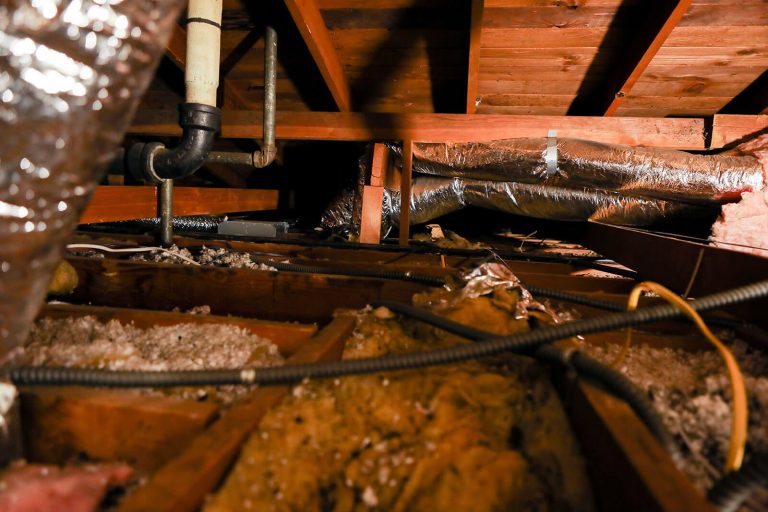
Common attic problems I see in L.A. Roofs leak after storms, vents get blocked during renovations, and rodents find a way in through gaps the size of a pencil. In one West LA bungalow I inspected, raccoon activity had packed so much shredded insulation into the eaves that airflow was effectively stopped. In a San Fernando Valley home, attic insulation was compacted by foot traffic and storage boxes, reducing its R-value by an estimated 20 to 30 percent. These are not hypothetical failures; they are typical, manageable conditions.
Signs your attic needs professional cleaning or attention
Persistent, unexplained odors in the house, especially in closets or upper bedrooms. Droppings, chewed wiring, or visible nests when you remove a hatch or open a soffit. Insulation that looks compressed, dirty, or stained across large patches. Frequent spikes in energy bills during summer or winter despite a functioning HVAC system.If you spot any of these signs, delaying action costs more than the immediate cleanup or upgrade. Rodent damage to wiring alone can be a fire hazard, and contaminated insulation needs proper disposal and replacement, not a quick vacuuming.
What attic cleaning actually involves Attic cleaning is not a tidy sweep. A thorough job includes inspection, removal of contaminated insulation, sanitizing surfaces where necessary, addressing droppings and carcasses safely, sealing entry points, and preparing the space for new insulation. For rodent attic clean up or attic rat cleanup specifically, cleanup crews will isolate the affected area, use personal protective equipment, and follow local safety measures for disposal. I prefer companies that separate cleaning from pest-exclusion work, because each discipline requires different tools and permits. If you hire a firm that handles both, make sure they have licensed technicians for pest control and trained crews for biohazard handling.
Why hire a specialist in Los Angeles Local climate and building stock matter. LA’s array of roof types, from flat roofs on mid-century homes to steep tile roofs on Spanish-style houses, changes how attics ventilate and where moisture accumulates. A contractor familiar with Attic Cleaning Services in Los Angeles CA will know which neighborhoods are prone to certain pests, which building codes affect attic work, and where permits might be required for removal and replacement of insulation. Companies like Rodent Control Inc. Focus specifically on rodent attic clean up and pest control attic cleaning, and they bring experience with exclusion work after cleaning to prevent repeat infestations.
Insulation basics and how they impact comfort Insulation is measured by R-value, which represents resistance to heat flow. In simple terms, higher R-values slow heat transfer, so your conditioned air stays where you want it. For Los Angeles, recommended attic insulation levels vary depending on the specific microclimate and whether you have ductwork in the attic. Many older homes still have insufficient insulation by modern standards. For example, 4 to 6 inches of old fiberglass or compressed batt insulation will not perform like 12 to 16 inches of properly installed loose-fill cellulose or modern batt insulation.
Types of attic insulation and the trade-offs
Blown-in cellulose: good R-value per inch, fills irregular spaces well, better sound dampening, but can settle over time and absorb moisture if there is a leak. Fiberglass batt: inexpensive, widely available, but requires careful installation to avoid gaps and compression that reduce performance. Spray foam: seals air leaks and provides excellent R-values, but is costly and requires skilled installers; closed-cell foam can add structural support but is not always necessary.Each material has trade-offs. I recommended cellulose for many retrofit jobs because it conforms around framing and gives a good R-value at a reasonable cost. Spray foam makes sense when air sealing is a top priority and the budget allows it. Fiberglass batts still work when installed correctly, but I often see DIY installations where they were compressed under storage boxes, cutting their effectiveness.
Air sealing and why it matters as much as insulation Insulation slows heat flow, but air leakage moves heat and moisture aggressively. In LA, daytime heat gets pulled into attics through gaps, and at night that heat can radiate into living spaces if air paths remain open. Attic air sealing usually targets top plates, soffits, recessed light cans, gaps around chimneys and plumbing stacks, and attic access hatches. A handful of well-placed seals can reduce attic air exchange substantially. I once sealed an older bungalow’s attic hatch with weatherstripping and a custom-fit insulation cover, and the upstairs bedroom daylighted 4 degrees cooler the next afternoon. That small fix reduced the run time of the AC and improved comfort where it mattered.
Rodent control as part of attic work Cleaning without preventing re-entry is an incomplete job. Rodent attic cleanup typically pairs removal of contaminated material with exterior exclusion work, such as mesh over vents, sealing foundation gaps with steel wool and caulk, and securing eaves. Traps and baiting alone will not keep mice and rats out if the structural entry points remain. Rodent Control Inc. And similar specialists will document entry points and provide a plan for permanent exclusion. Expect to repair soffits, seal around utility penetrations, and sometimes replace attic vents with rodent-proof versions.
Moisture, mold, and insulation Attic moisture sources in Los Angeles are more subtle than in humid climates. The most common causes are bathroom and kitchen exhaust ducts venting into the attic, inadequate roof flashing, and condensation from warm, moist air rising into a cooler attic. If insulation is wet or shows dark streaks, the underlying wood can be at risk. Cleaning crews will often recommend correcting the moisture source first, then replacing contaminated insulation and improving ventilation if needed. Mold remediation professionals sometimes need to be involved when mold is widespread or when occupants have respiratory sensitivities.
Practical steps for a homeowner considering attic work Start with a basic inspection. Lift the attic hatch, shine a flashlight along the rafters, and look for discoloration, droppings, or insulation that looks flattened. If you see obvious signs of rodents, foul odor, or wet spots, call a professional. For many homeowners, the next steps are a combined project: remove contaminated insulation, perform necessary pest exclusion and repairs, air seal, then install new insulation to the recommended R-value. Bundling those tasks avoids rework and lowers overall cost.
Budgeting and typical costs in Los Angeles Costs vary by home size, attic accessibility, and the extent of contamination or repairs. As a rough guide: a basic attic cleaning and removal of contaminated insulation might start in the mid hundreds for a small attic but often ranges from $800 to $2,000 for an average single-family home when safety precautions and disposal are included. Insulation upgrades can range from $1,200 to $4,000 depending on material and attic square footage. Spray foam projects can be significantly more expensive, sometimes $3,500 to $8,000 or more for whole-attic applications. These are general figures; a proper estimate requires inspection. Price matters, but so does scope. Low bids that skip exclusion or proper disposal can cost more in the long run.
Timing and scheduling considerations Plan attic work for dry weather. Even in Los Angeles, a surprise rainstorm during a cleanup or installation can complicate the job. Scheduling during the shoulder seasons, spring or fall, often gives better access to contractors and avoids the extremes of summer heat when working in an attic is more hazardous. If you use the attic for storage, plan to clear items out ahead of time. Contractors prefer attics that are accessible and free of personal belongings; removal of stored items adds to the project cost.
Choosing the right contractor Look for the following: clear written estimates, licenses and insurance, experience with rodent attic cleanup if you have pest issues, and references from local jobs. Ask whether the crew will handle exclusion work or whether they subcontract it. If a company offers both attic cleaning services and pest control attic cleaning, confirm that pest technicians are licensed. Companies that provide a warranty on exclusion work and a follow-up inspection date are worth a premium. I recommend getting at least two estimates and asking how they will protect ducts, wiring, and HVAC components during the work.
After the job: what to expect A professional cleanup will leave your attic free of contaminated insulation and pests, sealed at known entry points, and attic clean up services insulated to the targeted R-value. Keep the receipts and any warranty paperwork. Monitor the attic for a few months: check for new droppings, fresh stains, or odors. If the contractor provided a warranty on exclusion, schedule the follow-up inspection. Also, consider adding an attic access cover with proper sealing to prevent heat transfer through the hatch.
Small smart investments that pay off Adding a simple insulation cover over the attic hatch, upgrading attic access weatherstripping, and having a contractor air-seal the top plates can yield noticeable comfort improvements at relatively low cost. For example, adding a properly sealed attic hatch cover and a few cans of high-quality foam sealant around top plates and penetrations can reduce attic-derived heat transfer substantially for under a few hundred dollars. Those small investments are sensible before committing to a full insulation replacement.
A realistic payback Energy savings depend on current insulation levels, local energy prices, and how you use your home. For many LA homes with poor attic insulation, homeowners see a 10 to 30 percent reduction in heating and cooling energy use after proper cleaning, sealing, and insulating. That translates into payback times that often fall within five to ten years, depending on the scope of the work and utility rates. Non-energy benefits, like reduced pest problems and better indoor air quality, add intangible value that is harder to quantify but often the tipping point for homeowners.
When to call a specialist for rodent attic cleanup If you find nests, droppings, gnawed wiring, or a persistent foul odor, call a specialist. Rodent attic cleanup is not a DIY weekend job when contamination is extensive. Professionals use appropriate personal protective equipment, follow disposal regulations, and coordinate exclusion work that reduces recurrence. A careless cleanup can scatter contaminated insulation or miss entry points, leading to renewed infestations and wasted money.
Real-world example In a Burbank home I consulted on, the family complained about a musty smell and frequent AC cycling. Inspection revealed compressed old insulation, rodent nests near the chimney, and several gaps around roof vents. The work plan combined attic rat cleanup, exclusion of eave gaps, replacement with blown-in cellulose to an R-value suitable for the house, and targeted air sealing. After the work, the upstairs temperature swings reduced, the family reported quieter nights, and their monthly cooling costs dropped by roughly 15 percent over the next two summers. The total project cost was mid-range for the home size, but the combined benefits made the investment feel immediate and practical.
affordable attic pest cleanupClosing thoughts An attic that is cleaned, sealed, and insulated properly becomes a silent ally in home comfort. For Los Angeles homeowners, the combination of moderate climate and varied home stock makes targeted work especially effective. Prioritize safety and proper scope: remove contamination, seal entry points, correct moisture sources, and install insulation that matches your home’s needs. If rodents are involved, choose professionals experienced in rodent attic cleanup and pest control attic cleaning, and consider companies familiar with the LA market, such as Rodent Control Inc., that can coordinate exclusion with cleanup. Small fixes can deliver quick wins, and a comprehensive attic upgrade can change how your house behaves for years.
Rodent Control Inc.
Los Angeles, CA, United States
+1 (323) 553-5551
[email protected]
Website: https://rodentcontrolinc.com/